Sea Cave® True Blue Carbon® Project
ICR-91
Mexico
Blue Carbon
Description
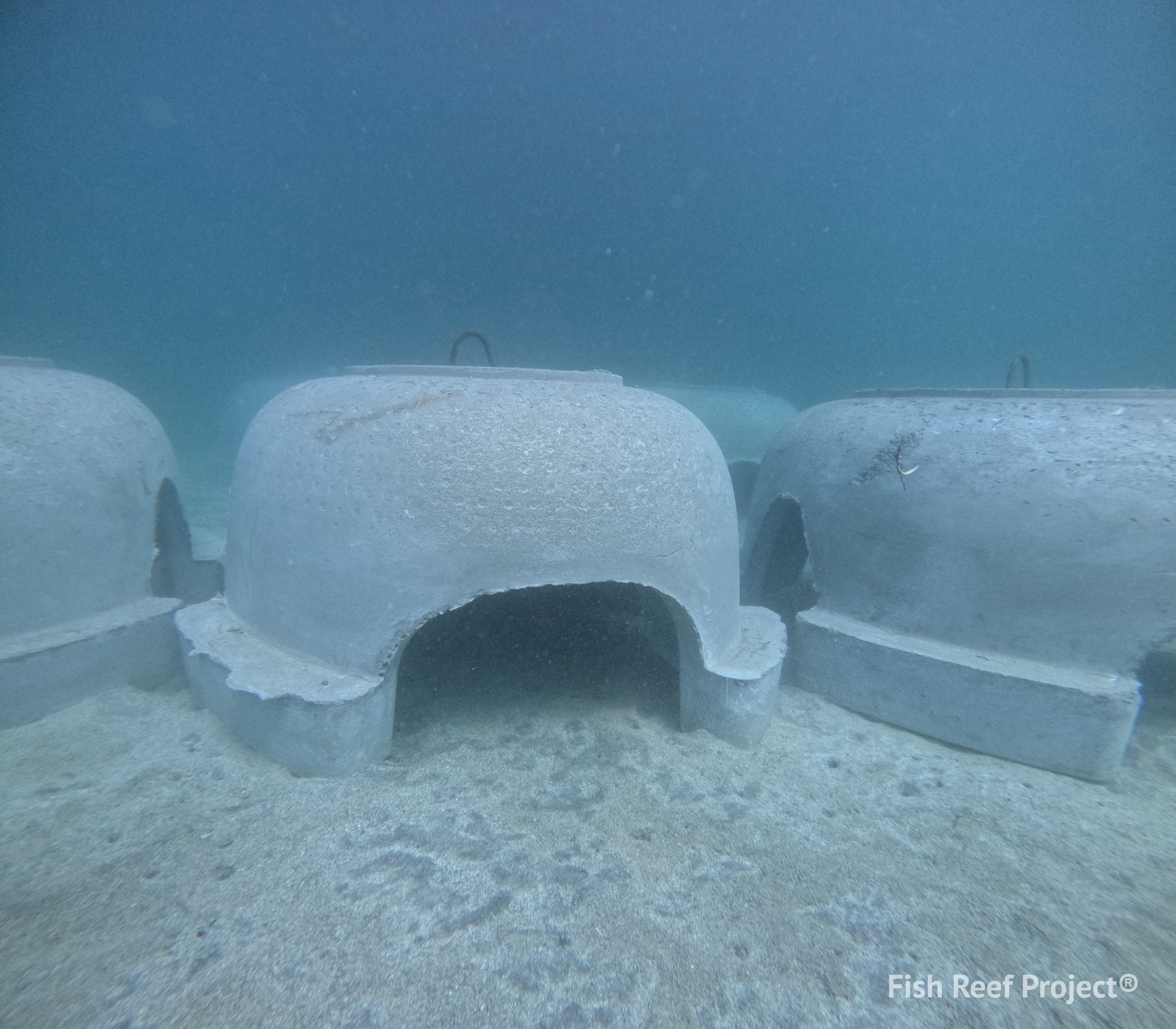
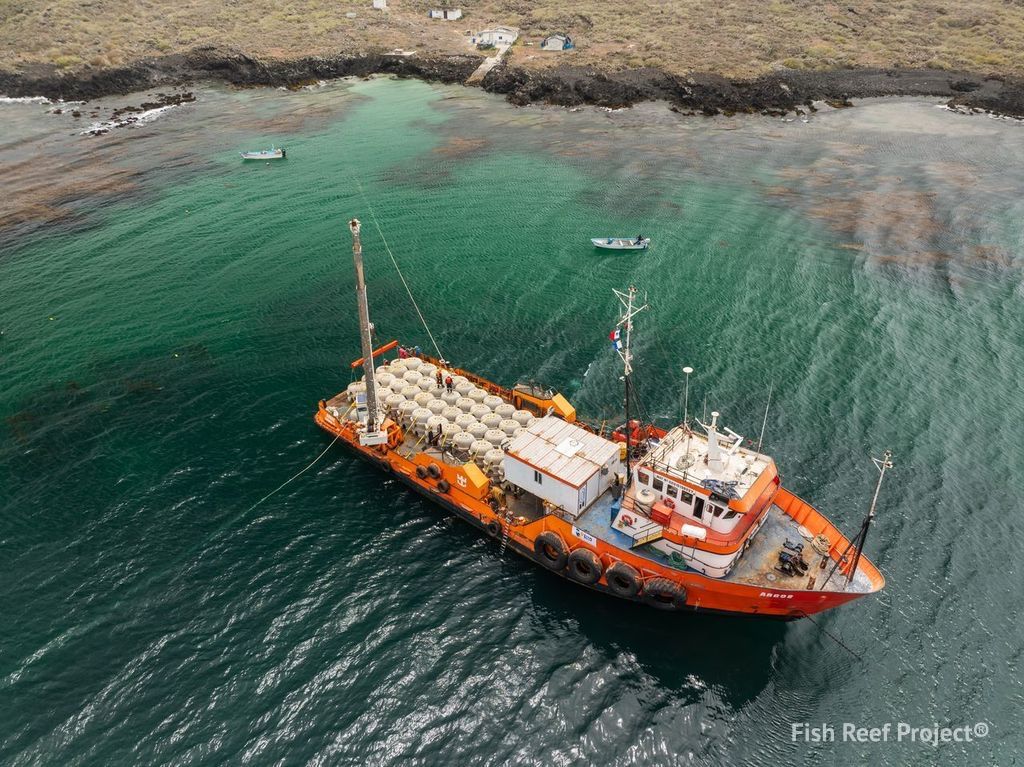
Sea Cave® True Blue Carbon® is an ocean-based climate solution that regenerates kelp forests, restores biodiversity, and delivers both carbon removal and emissions reductions by transforming low-productivity seafloors into thriving marine ecosystems. Developed by the NGO Fish Reef Project® in collaboration with the International Marine Mitigation Bank (IMMB), the initiative deploys patented biogenic Sea Cave® reef structures designed to accelerate biological productivity while delivering measurable, independently verified climate benefits.
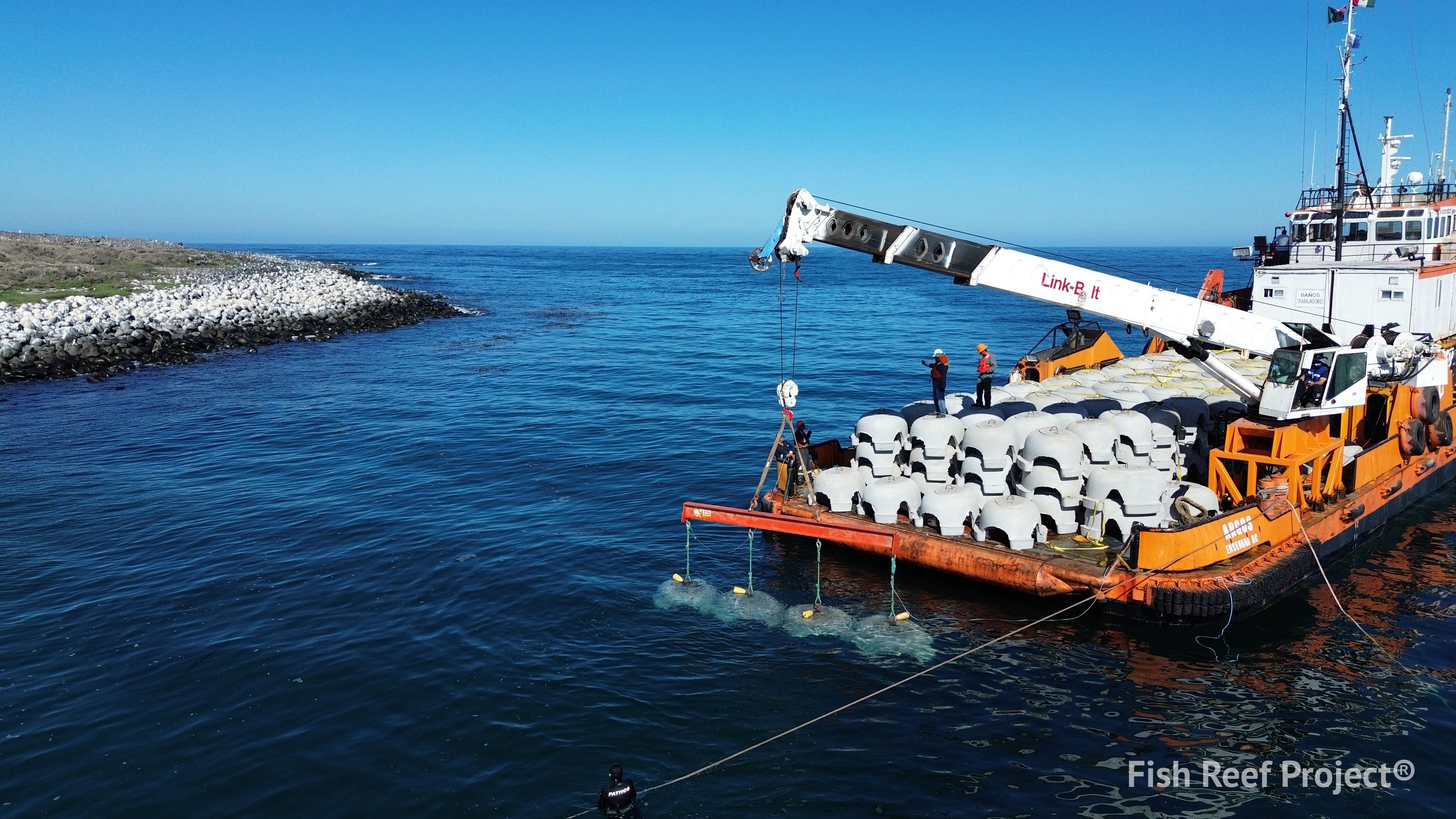
The project operates off Isla San Martín, Baja California, Mexico, where more than 900 Sea Cave® units have been deployed since 2023 under a federal seabed lease capable of hosting up to 15,000 units. Each Sea Cave® unit is designed to create habitat for over 1,000 kg of marine life, support kelp recovery, enhance fisheries, and deliver 4–8 tonnes of CO₂e per year through a hybrid mechanism combining carbon removal and emission reductions.
Technology & Methodology
Biogenic Reef Technology
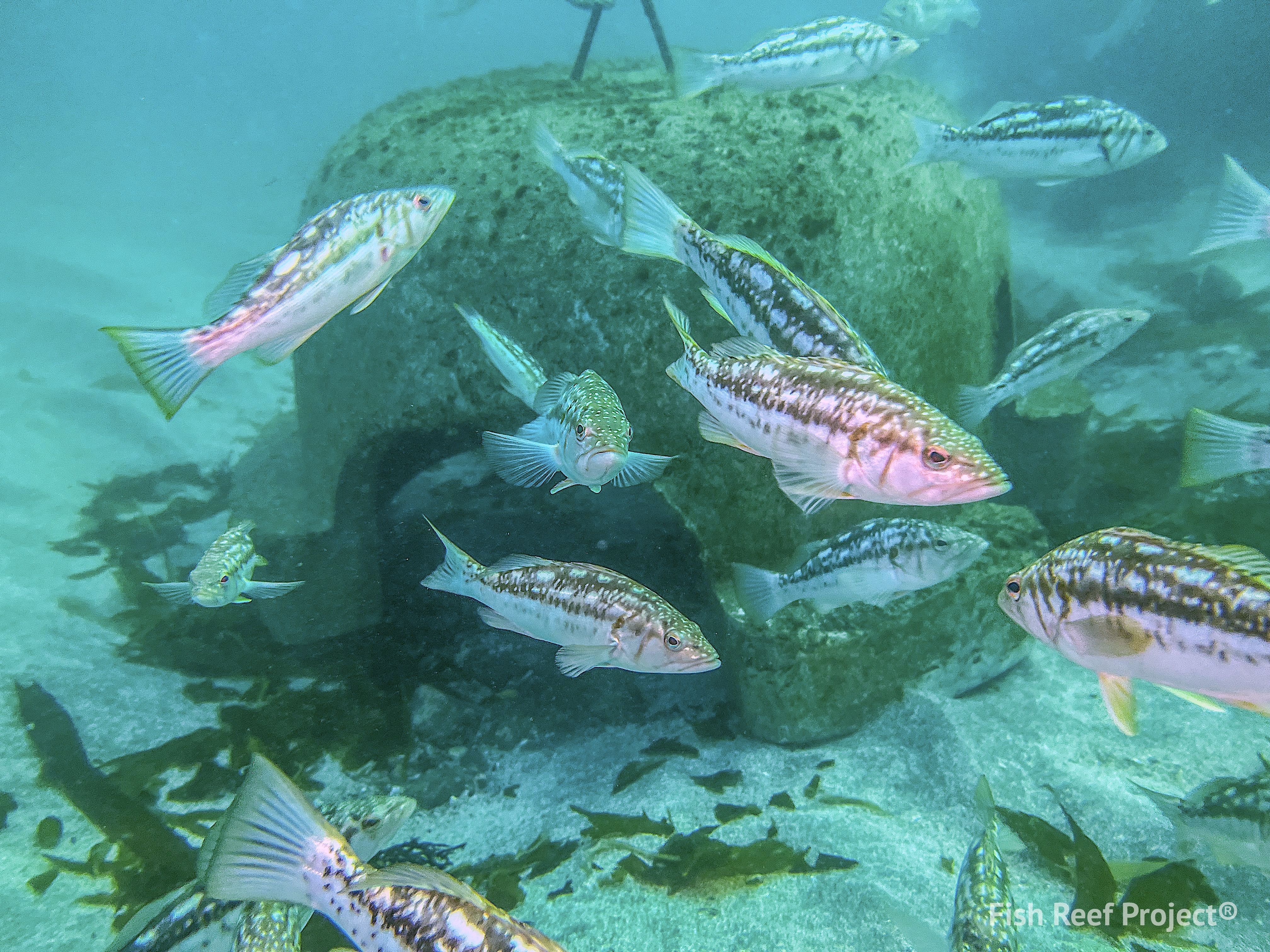
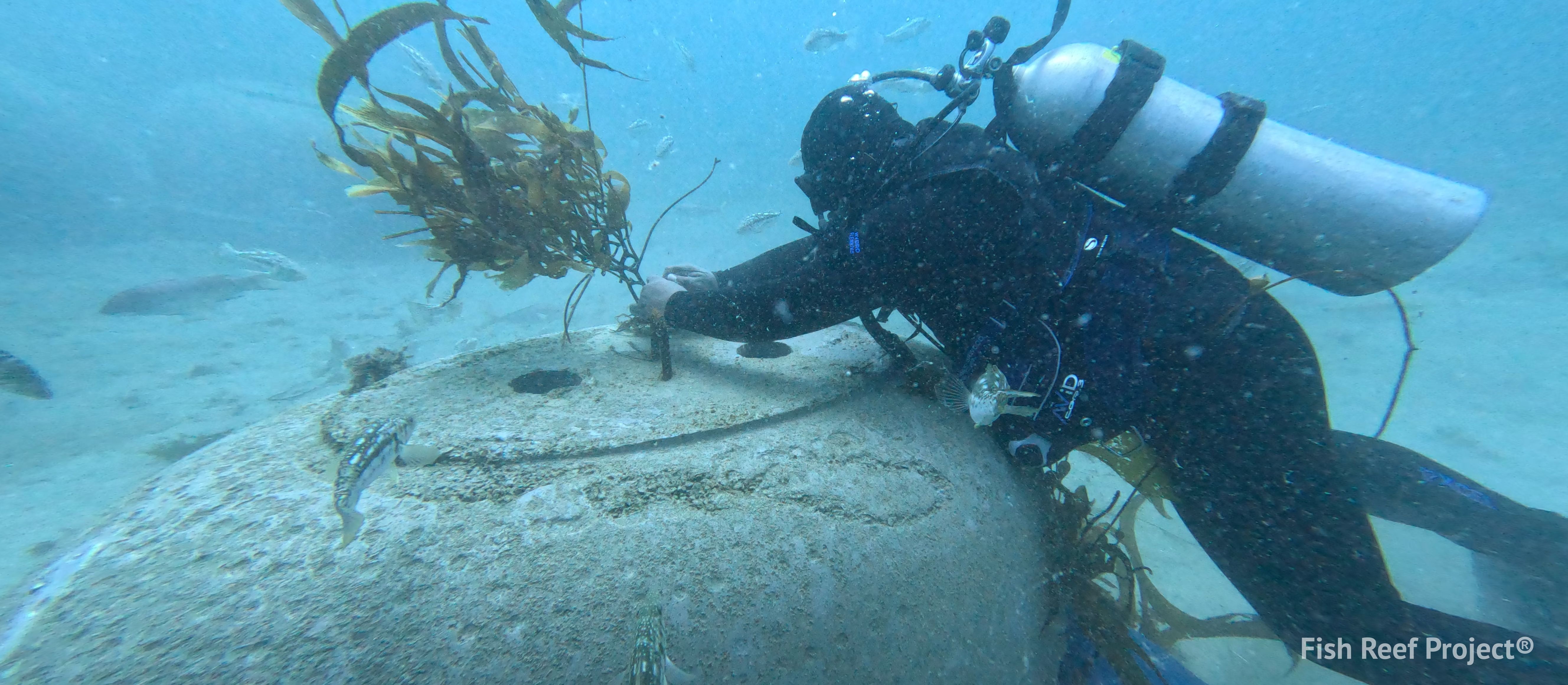
Sea Cave® units are engineered concrete reef modules designed to mimic natural rocky substrate in regions historically lacking structure. Their architecture provides vertical relief, internal cavities, and biogenic microtexture that promote rapid colonization of:
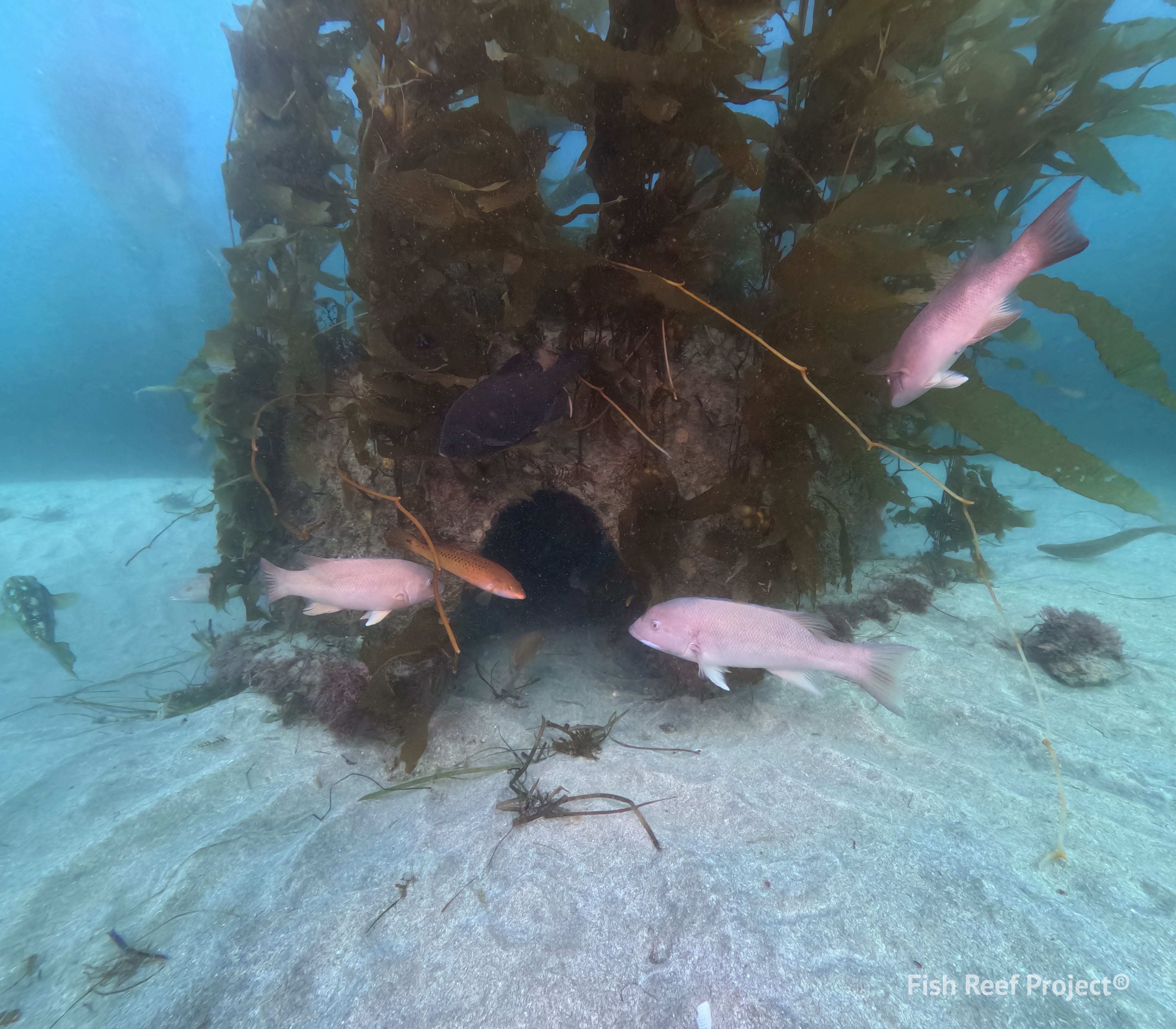
- Giant kelp (Macrocystis pyrifera)
- Understory algal communities
- Reef fish assemblages
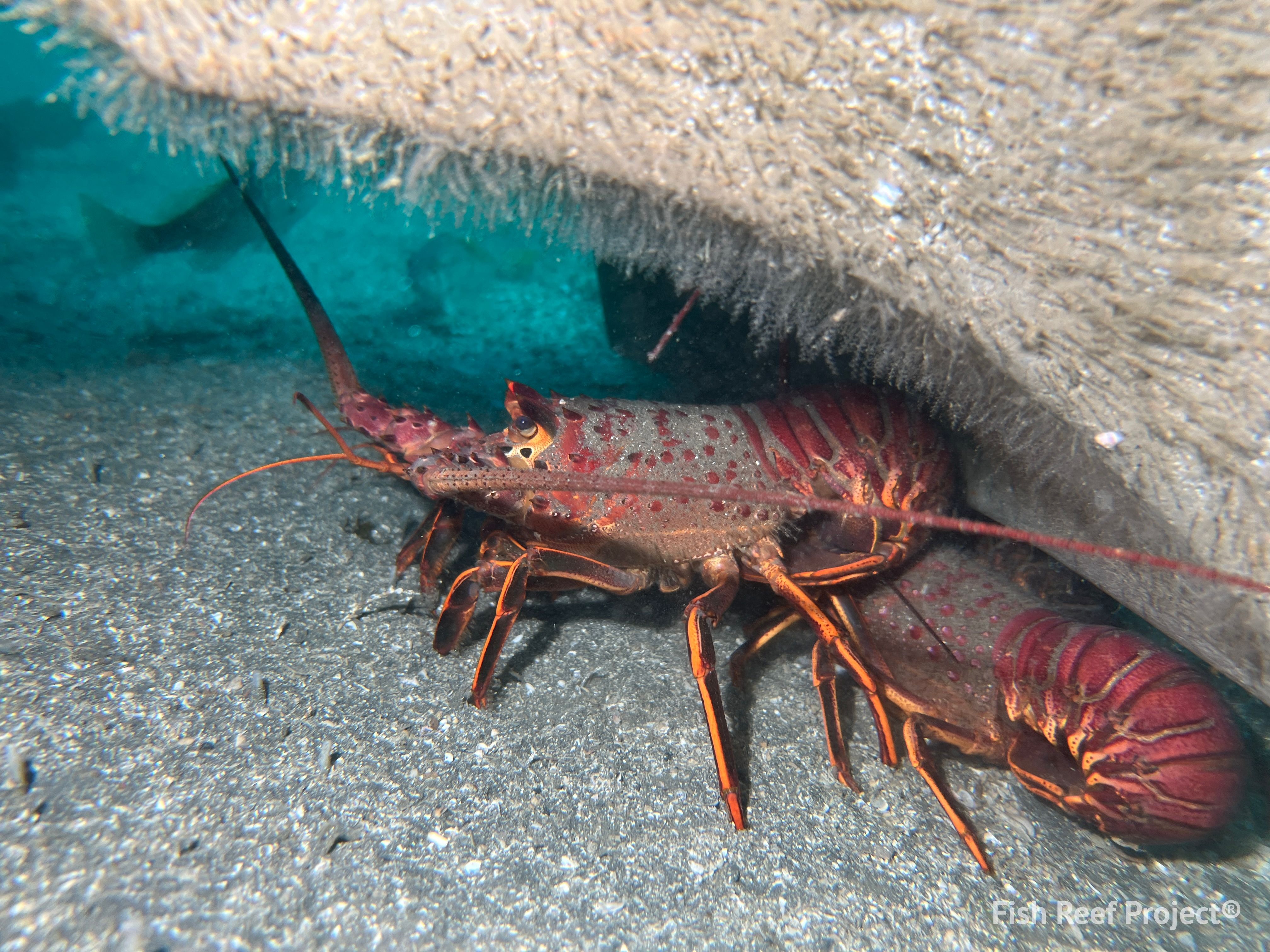
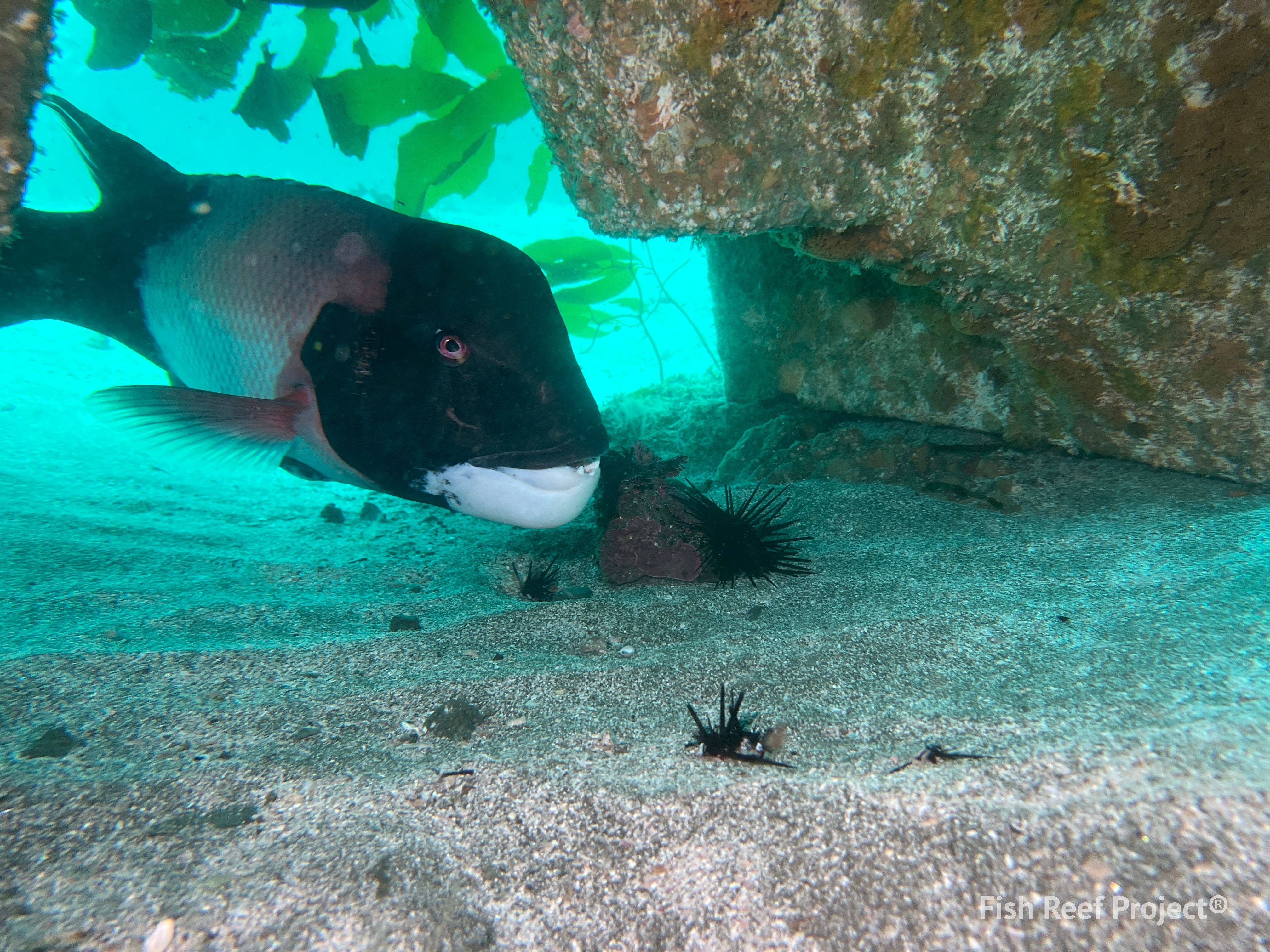
- Invertebrates such as lobster, abalone, sea cucumbers, snails, and sea stars
The structures are designed to last over 500 years underwater, supporting multi-century habitat stability and long-term climate value.
Carbon Removal
Independent monitoring confirms that Sea Cave® reefs rapidly generate high-density marine biomass, enabling CO₂ removal through multiple complementary pathways:
- Macroalgal photosynthesis: Giant kelp (Macrocystis pyrifera) colonizes the reef structures and converts dissolved inorganic carbon into organic biomass. Stipe densities on Sea Cave® reefs consistently reach 20–30 stipes per m², exceeding those observed on nearby natural patch reefs.
- Local and offshore carbon burial: Organic carbon from kelp detritus is either exported offshore for longer-term sequestration or settles into soft-bottom sediments and the cavities beneath each Sea Cave® module—supporting local carbon storage and reducing reversal risk.
- Standing-stock carbon accumulation: Carbon is stored in living reef-associated biomass, including kelp, understory algae, invertebrates, and fish communities, contributing to measurable and persistent carbon stocks within the project boundary.
Baseline Conditions
Prior to Sea Cave® deployment, the project area exhibited negligible biological productivity:
- The seabed consisted of over 97% sand, with no meaningful macroalgal growth and minimal fish or invertebrate presence.
- The site was not used by local fishers, who relied on distant fishing grounds requiring round trips of up to ~60 miles.
- As a result, baseline carbon removal was effectively zero, establishing strong additionality for observed project removals.
Emission Reductions
The project also delivers fuel-use emissions reductions by creating productive fishing grounds closer to the harbor. Local fishers report reduced travel distances, improved catch efficiency, and lower fuel expenditure—directly reducing CO₂ emissions from small-scale fishing vessels.
These reductions are quantified through interviews, behavioral surveys, GPS-based travel patterns, and validated emissions factors.
Verification & Monitoring
The project follows a rigorous MRV framework, including:
- SCUBA-based ecological monitoring (UPC transects, SWATH surveys, fish biomass transects)
- Kelp productivity assessments using stipe counts and NPP models
- Digital data stewardship via a full-time custodian, cloud storage, version control, and redundancy
- Sonar mapping to document reef placement
- Socioeconomic surveys with local fishing cooperatives
The project was independently validated and verified 1,719.62 tCO₂e of net GHG mitigation during the first monitoring period (Aug 2023–Jun 2024), confirming full compliance with ICR standards.
Environmental Impact & Co-Benefits
Restoring Kelp Forests & Marine Biodiversity
The first 2025 ecological monitoring report documents a dramatic transformation:
- Reef fish biomass at Sea Cave® sites is nearly double the regional control site.
- A new kelp canopy has formed where none previously existed.
- Large-bodied invertebrates (lobsters, abalone, snails, sea cucumbers) have colonized the reefs.
- Adjacent eelgrass beds expanded, indicating broader ecosystem uplift.
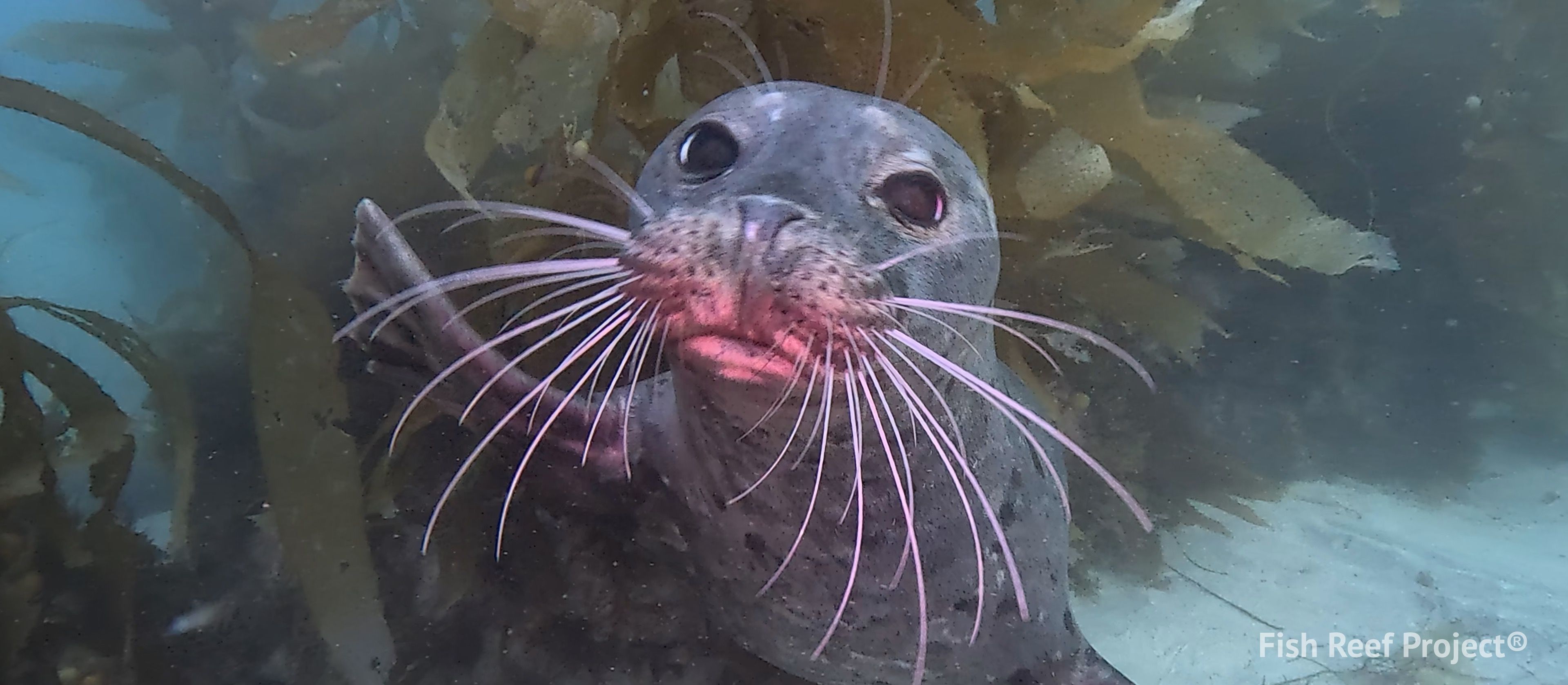
- Harbor seals and other higher-trophic species actively forage around the reef.
These findings confirm the project’s effectiveness in transforming barren sand plains into complex, resilient ecosystems.
Supporting Coastal Communities
- The local fishing cooperative (Rocas de San Martín) reports improved catch quality and safety.
- Reduced fuel costs directly support economic resilience.
- Increased availability of sustainable fisheries strengthens local food security.
- The project supports jobs in reef fabrication, deployment, monitoring, and potential eco-tourism.
SDGs Alignment
The project contributes to SDGs 1, 2, 8, 13, and 14—poverty reduction, food security, decent work, climate action, and life below water.
Carbon Credits
The project is verified and registered with the International Carbon Registry (ICR), a global carbon registry committed to high-integrity credit issuance in line with ISO 14064-2:2019 and ISO 14064-3:2019 standards. Founded in 2020 and headquartered in Iceland, ICR applies validation and verification requirements intended to ensure the environmental and social integrity of issued credits.
All credits are independently validated and verified by Earthood Services Pvt. Ltd., an experienced auditor for nature-based climate solutions. Credits are issued natively on the Polygon blockchain, providing traceability, transparency, and protection against double-counting.
The crediting period began on August 1, 2023. Expected average annual mitigation is approximately 3,752 tCO₂e, projected over an initial 10-year crediting period.
In addition to carbon credits, each True Blue Carbon® credit is paired 1:1 with a Blue Credit®, a marine biodiversity credit issued at no additional cost. Each Blue Credit® contractually guarantees the generation of at least 100 kg of marine life per year on the Sea Cave® reef system. Biomass outcomes are independently assessed and reported annually; in the event of any shortfall, IMMB commits to expanding the reef system at its own expense until biomass targets are met.
Listings

Verified & Certified
Each credit represents one tonne of CO2 emmissions reduced, removed, or avoided, as verified by registry-approved third-party auditors.



Stats
Data for this project
Total Retirements:
67.46
Total Remaining Supply:
950